
Dino Viola, the engineer who made Roma fly
The president, 1979-1991
There is a plane that won't respond to the controls. It is wartime, at Pontedera, and a young Air Force officer is test-flying it: a bomber that refuses to obey. He doesn't panic. He brings it down in an emergency landing and walks away alive. Nerves of steel and an engineer's mind. That officer was called Adino Viola, Dino to everyone, and almost forty years later he would do something very similar with Roma. Only the other way round: he would take the controls and make it take off.
He was born on 22 April 1915 in Lunigiana. A degree in engineering, and from 1948 a precision machinery company in Castelfranco Veneto. Precision: the right word for the man and for the way he worked. In the sixties he joins the Roma board, becomes vice-president, and on 16 May 1979 he becomes president. From that day the club changes its skin, and the most ambitious era Roma had ever lived begins.
The right pieces, in the right place
His first move is a homecoming: he brings back Nils Liedholm. The second is a revolution. As soon as Italy reopens its doors to foreigners, he brings Paulo Roberto Falcão to Rome. A master on the bench and a star in midfield, chosen with the same eye you use to pick the part that makes a precision machine run. And to look after the team he even gives up running his own company. Roma is no longer a post. It is his job, full time. It is his life.
The trophies arrive one after another. Coppa Italia in 1980. Coppa Italia in 1981. Two cups in two seasons, and a Roma beginning to lift trophies with the ease of the big teams. It is the sign that something enormous is taking shape, piece by piece, with the patience of someone who really knows how to build a project.
Forty-one years later
Then comes the season worth a lifetime. In 1983 Roma are champions of Italy again. It is the second Scudetto in their history, forty-one years after the first. Forty-one years of waiting, of Sundays, of hopes put off, brought to an end by the team of an engineer from Lunigiana. Rome can at last sing again from the top of the table. In the same year Viola also enters the Senate, where he will stay until 1987.
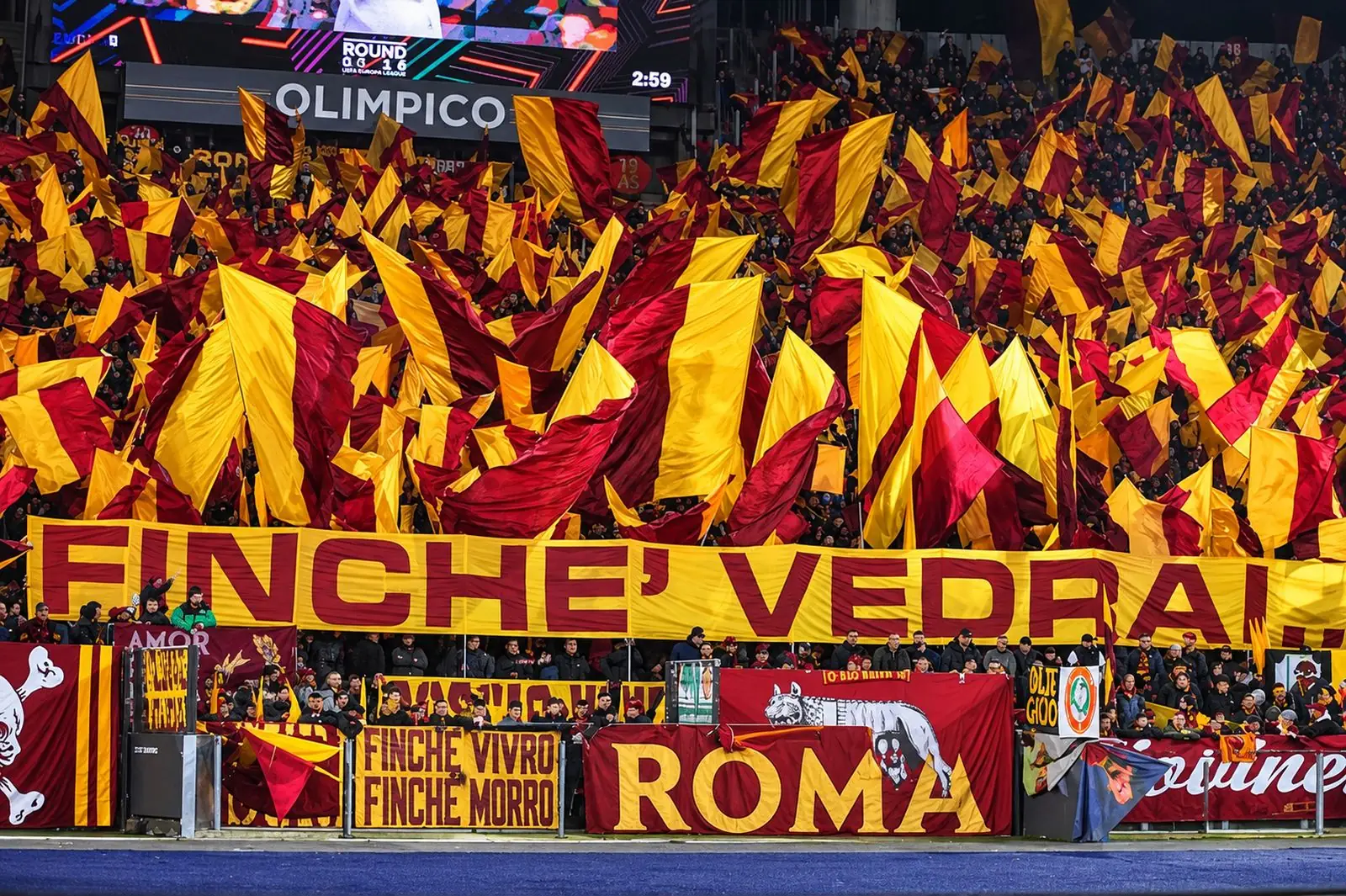
And the run doesn't stop. On 30 May 1984 his Roma play the European Cup final at the Olimpico, in their own stadium, in front of their own people, and lose it to Liverpool only on penalties. A European final at our place: to get there, you had to have dreamt big. In 1984 another Coppa Italia arrives, in 1986 yet another. Four in all under his presidency, plus a Scudetto and a European Cup final. Nobody before him had taken Roma so high.
A name outside Trigoria
Viola remains president to the end. He dies on 19 January 1991. His wife Flora, whom he married in 1942, takes his place for the rest of that season, as if not to leave the helm empty even for a day. He is buried at the Verano, and at Trigoria the square in front of the training centre bears his name.
Those who go in pass it every day, sometimes without a thought. Yet everything is in that name. Liedholm called back home, Falcão landing in Rome, the Coppe Italia, the Scudetto the city had waited forty-one years for, a European Cup final in our own stadium. There is the greatest Roma ever seen up to that time. And there is an engineer who knew how to bring down a plane that wouldn't respond, and who instead made his Roma fly higher than any other.
- dino viola
- dino viola roma president
- roma presidents history
- roma 1983 scudetto
- roma 1984 european cup final
- piazzale dino viola trigoria
All our history · Quiz of the week
Fonti: Treccani, Dizionario Biografico, Viola Adino · Treccani, Enciclopedia dello Sport, Viola · Treccani, Enciclopedia dello Sport, Vautrot · Storia della Roma, Dino Viola · l'Unità, 28 November 1985 · l'Unità, 28 February 1986 · il Giornale, Viola jr · Forzaroma, da La Gazzetta dello Sport · Blitz Quotidiano, la precisazione di Riccardo Viola · Football Scotland, la semifinale del 1984 · The Scotsman, Sturrock e la UEFA · AS Roma, 25 April 1984